
Human-centered design systems and product experiences
Core services
01UI/UX Design02Web Development03Software Development042D/3D Experiences05App Development06AI Agents & Automation07Website DesignTechnical services
Frontend Engineering
React DevelopmentNext.js DevelopmentWeb ApplicationsEnterprise DashboardsSaaS PlatformsBackend & Infrastructure
API DevelopmentCloud InfrastructureDevOps & CI/CDBackend SystemsCustom SoftwareIndustries we serve
Technology & Software

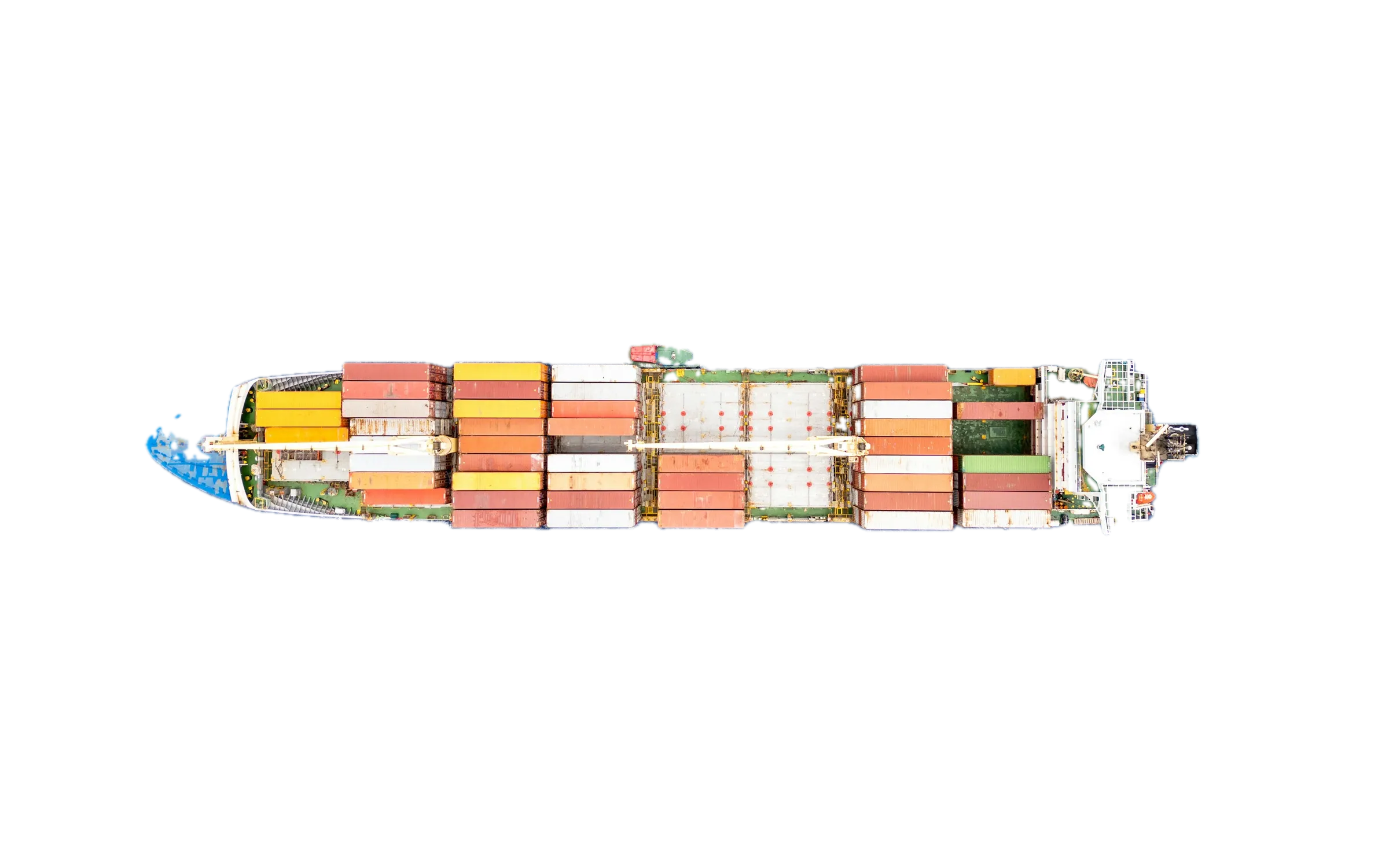
Logistics Websites, Tracking Portals & Operations Systems
EVERYSHIPMENT,IN PLAINSIGHT
We build logistics websites, shipment tracking portals, customer self-serve systems, and fleet management tools.
Freight Beyond
Phone Calls
Shipment tracking, customer portals and operations dashboards engineered for logistics companies moving goods across borders.
In logistics the shipment is rarely the problem. The cost sits in the calls, spreadsheets and re-keyed data around it, and in the customer who has to ask where the freight is.
Where logistics teams lose hours and margin
Five problems that are common in this industry, and what we build against each one.
Customers call or email for status because tracking lives in the carrier's system, the driver's phone and a dispatcher's head.
A customer tracking portal
We build a portal and notifications that show each shipment's status, documents and expected arrival, fed by your transport system and telematics.
Scope this with usLoads, drivers and vehicles are matched by hand. One change in the morning means an hour of phone calls and a plan nobody fully trusts.
A dispatch console
We build planning screens that show loads, capacity and constraints together, with drag and drop assignment and changes sent to drivers at once.
Scope this with usSigned delivery notes come back days later, or not at all. Invoices wait, and disputes are settled without evidence.
A driver app
We build a driver app for jobs, navigation hand-off, photos, signatures and exceptions, working offline and syncing when the signal returns.
Scope this with usA rate request passes through email, a tariff sheet and a manager's approval. The customer books with whoever answers first.
Quoting and booking online
We build rate calculation on your tariffs and surcharges, with instant quotes for standard lanes and an approval path for the rest.
Scope this with usThe transport system, the warehouse system, accounting and customer portals each hold part of the truth, and staff re-key between them.
An integration layer
We build the connections between your systems, with one shipment record, clear error handling and a log of every message exchanged.
Scope this with usEverything we build for logistics
Design, engineering and AI in one team, so the website, the apps, the back office and the agents are made to work together.
Websites and brand
- Logistics website design
- Service and lane pages
- Quote request flows
Web platforms
- Customer tracking portals
- Dispatch consoles
- Quoting and booking platforms
Software and integrations
- TMS, WMS and ERP links
- Telematics and carrier links
- Operations dashboards
3D and interactive
- Live shipment maps
- Interactive network maps
- Route and load visualisers
AI agents for logistics
Quotes sent, shipments answered
Custom agents that work inside your own systems and channels, with clear limits and a person in charge of the decisions that matter.
Agents we build for logistics
Each agent is built around your own systems and rules, with a person in charge of the decisions that matter.
These are custom development services. Each agent's page says what it does, where it stops and what has been demonstrated so far. See all agent solutions
Start with the problem that costs you most.
Tell us which system holds your shipments and where your team re-keys data today. We will point to the first connection worth building.
What to bring
- How the process runs today, in a few lines
- The systems it has to connect to
- Who decides, and your timing
Asked before the first call
Short answers to the questions that usually come first. The rest is settled in scoping.
In most cases, through the system's API, EDI messages or scheduled file exchange. We review the options for your exact systems during scoping and choose the simplest one that is reliable.
Yes, when it is designed for it. Jobs, forms and photos are stored on the device and sent when the connection returns, and the app shows the driver clearly what is still waiting to sync.
That is usually the first thing we build. A customer account covers quotes, bookings, tracking, documents and invoices, with your team able to step in on any shipment.
Put every shipment on one screen.
Every engagement starts with a scoping conversation. It is free, structured, and useful whether or not we work together.