Human-centered design systems and product experiences
Core services
01UI/UX Design02Web Development03Software Development042D/3D Experiences05App Development06AI Agents & Automation07Website DesignTechnical services
Frontend Engineering
React DevelopmentNext.js DevelopmentWeb ApplicationsEnterprise DashboardsSaaS PlatformsBackend & Infrastructure
API DevelopmentCloud InfrastructureDevOps & CI/CDBackend SystemsCustom SoftwareIndustries we serve
Technology & Software
3D Website Development
Websites visitorscan step into
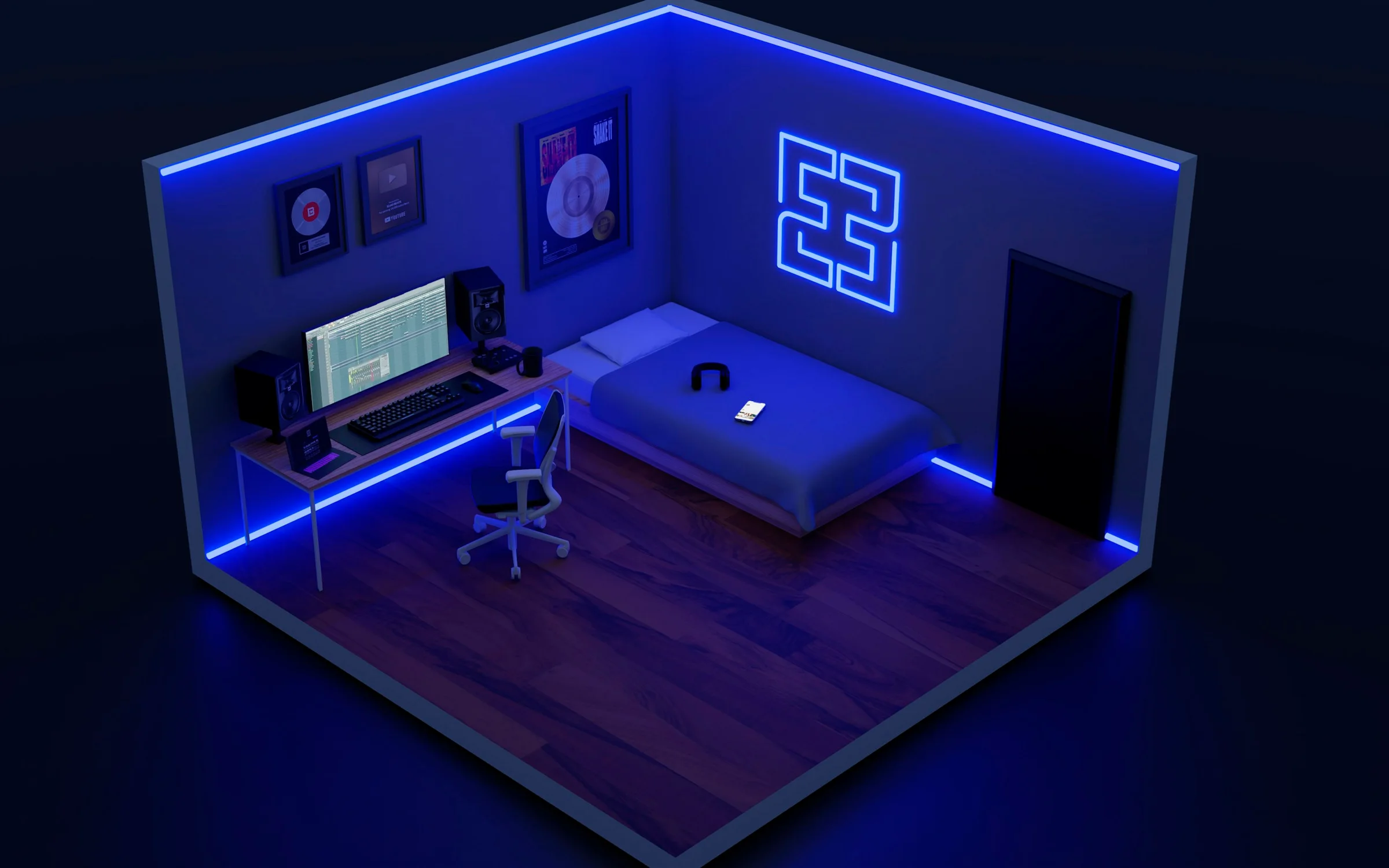
We design and build complete websites with real-time 3D at their center, for brands, product launches and SaaS companies that want visitors to explore the product instead of reading about it.
What we build
01Scroll-driven 3D
02Complete brand websites
03Launch microsites
We build a 3D website as a website first, with content, search visibility and load time planned before a single model is rendered.
Whole websites built around a 3D story
- 01Scroll-driven 3D
- 02Complete brand websites
- 03Launch microsites
A 3D website is a full site, with pages, navigation, content management and analytics, where a real-time scene carries the story. We handle concept, art direction, modeling, scroll choreography and development together. Typical work includes scroll-driven product reveals, particle and procedural visuals, 3D typography and hero scenes that respond to the visitor, all tied to the copy on the page.
Pick this service when you need the whole site delivered, not a 3D component for an existing one. It suits brand flagships, launches and marketing sites where the product is hard to explain in flat images. We storyboard the scroll before building, keep text in real HTML for search engines and screen readers, and design a lighter version for devices that cannot run the scene.
Talk to us about your projectCapabilities, End to End
A Real Scene, Rendered Right Now
This is not a video. Your graphics card is drawing the scene as you read, and the controls below change it.
Scroll choreography
The scene advances with the page, one message per section.
Progressive loading
Content appears first while models and textures stream in behind it.
Editable content
Your team updates copy and pages in a CMS without developers.
Low-power fallback
Devices that cannot run the scene get a lighter designed version.
From Kickoff to Launch
We define the story the site must tell, gather references and present art direction with style frames. You approve a visual direction and a page structure before production starts.
Each section gets a frame showing copy, scene state and the transition into the next. A rough moving prototype follows, so the pacing can be judged in a browser, not on slides.
Models, materials and shaders are produced while the site, CMS and scroll choreography are developed. You follow progress on a staging link and give feedback on real builds at each milestone.
We compress assets, stage loading, test on phones and older laptops, check accessibility and search metadata, then launch on your hosting with analytics and a short training session for editors.
Built for Teams Like Yours
What buyers ask before they start
If yours is not here, ask us directly. The first conversation is free and useful whether or not we work together.
Book a callIt can if built carelessly, which is why we plan for it from the start. All copy lives in server-rendered HTML that search engines read normally, with the canvas layered behind or beside it. The page becomes usable before the scene finishes loading, assets are compressed and streamed, and heavy code loads only where needed. We set a loading budget and measure against it before launch.
Often a single strong 3D moment does more than 3D everywhere. If you already have a site you are happy with and want a configurator or hero scene added, our Three.js service fits better. Choose a full 3D website when the site is being rebuilt anyway and the story benefits from one continuous scene. We will recommend the smaller option when it serves you.
The site checks what the device can handle and adapts. Capable phones get the scene with lower resolution and simpler effects. Devices that cannot keep up, or visitors who have asked their system to reduce motion, get a designed alternative built from stills or short video with the same content. The aim is that nobody meets a blank page or a stuttering animation.
Yes, for everything that is content. Headlines, body copy, images, case studies, blog posts and metadata are managed in a headless CMS with a structured editor and previews. The 3D scene itself is code, so changing a model or choreography needs a developer. Where it helps, we expose scene settings such as colors or featured products as CMS fields your editors can change.
We can produce them ourselves, work from files you supply, or combine both. If you have CAD data or existing renders, we adapt them for real-time use. If not, our artists model from references and your brand guidelines. Art direction, modeling and development happen in one team, which avoids the usual gap between what a designer imagined and what the browser can run.