Human-centered design systems and product experiences
Core services
01UI/UX Design02Web Development03Software Development042D/3D Experiences05App Development06AI Agents & Automation07Website DesignTechnical services
Frontend Engineering
React DevelopmentNext.js DevelopmentWeb ApplicationsEnterprise DashboardsSaaS PlatformsBackend & Infrastructure
API DevelopmentCloud InfrastructureDevOps & CI/CDBackend SystemsCustom SoftwareIndustries we serve
Technology & Software
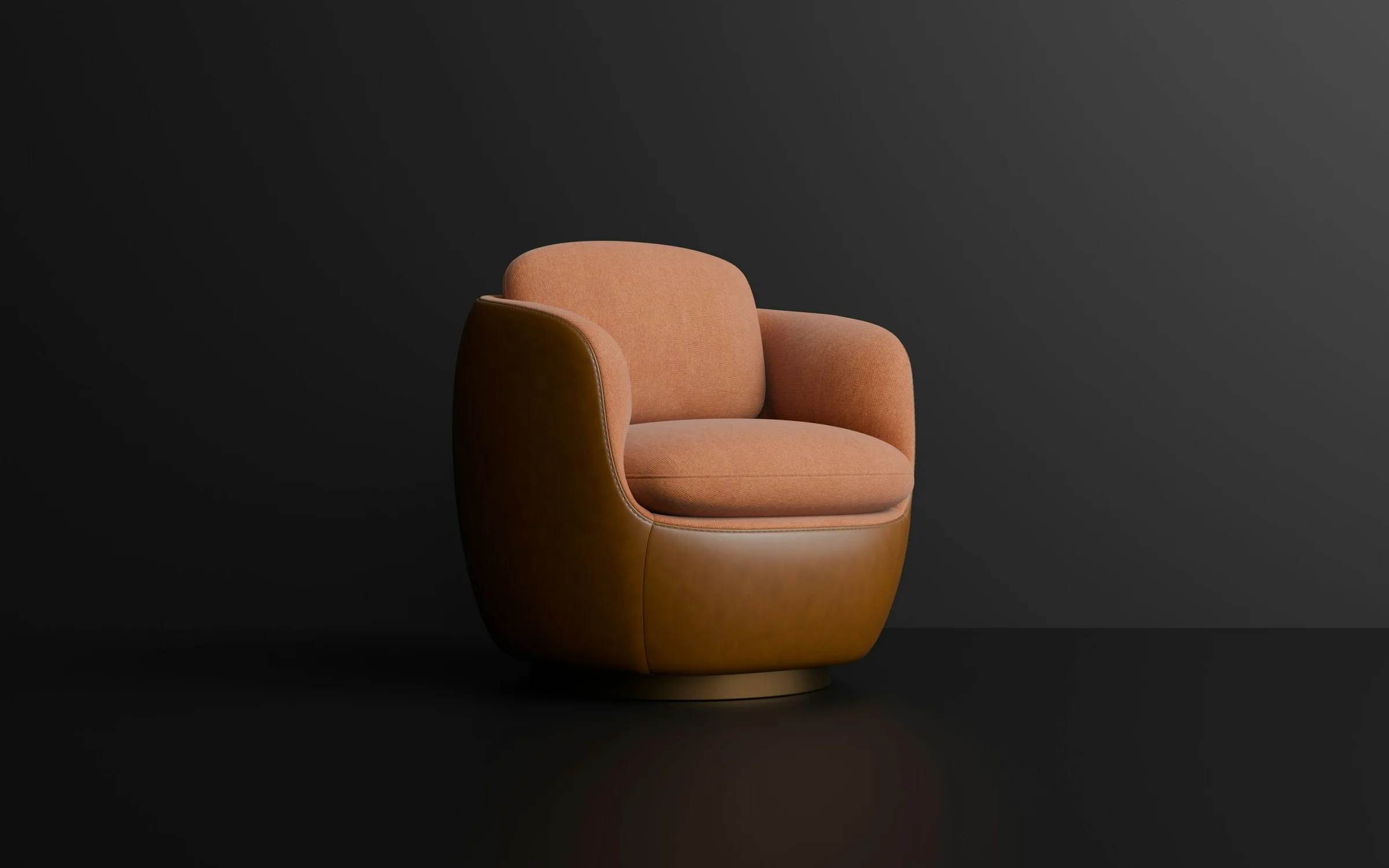
3D Product Configurator Development
EVERY OPTION,SEEN INREAL TIME
We build browser-based 3D configurators that let buyers choose options, see the exact product from every angle and send a priced, buildable specification to your sales or commerce system.
3D ConfiguratorsWhat we build
A configurator succeeds when every combination a buyer can click is one your factory can build and your team can price.
Products buyers can configure, see and order
- 01Real-time 3D
- 02Option rules
- 03Quote output
A 3D product configurator shows a product in real time while the buyer changes size, material, color and components. We prepare the 3D models, build the viewer and option interface, encode the rules that keep choices valid, calculate prices and produce a summary that flows into a quote, a cart or your ERP. It runs in the browser on phones and desktops.
It suits manufacturers and brands with configurable products, such as furniture, vehicles, machinery, kitchens, windows or equipment, where photographs cannot cover every variant and sales staff spend time explaining options. If your catalog has a few fixed variants, good photography may serve better. We size the first version around the options that matter most in a sale.
Talk to us about your projectCapabilities, End to End
A Real Scene, Rendered Right Now
This is not a video. Your graphics card is drawing the scene as you read, and the controls below change it.
Live materials
Finishes change on the model the moment they are selected.
Valid choices
Rules hide or explain combinations that cannot be built.
Running price
The total follows each option the buyer picks.
Saved designs
A link reopens the exact configuration for sales follow-up.
From Kickoff to Launch
We review the product range, the rules that govern combinations and how quotes are made today, then select the product line and option set for the first release.
Source files are converted and optimized, materials and lighting are developed, and one product is taken to final visual quality as the reference for the rest.
Option logic and prices are implemented as editable data and tested against real past orders, including the unusual combinations your sales team knows about from experience.
The configurator is connected to your store or quoting process, measured for speed on ordinary phones, and released with tracking of which options buyers explore and choose.
Built for Teams Like Yours
What buyers ask before they start
If yours is not here, ask us directly. The first conversation is free and useful whether or not we work together.
Book a callIt should, and we design for that from the start. Models are simplified and compressed, textures are sized for mobile screens and the viewer adjusts its detail to the device. We test on ordinary phones over mobile networks, set limits for loading size and frame rate, and offer a still image fallback where 3D is not supported.
Yes. Engineering CAD is usually far too heavy for the web, so we convert it, remove hidden parts, rebuild surfaces where needed and create materials. STEP, IGES, SolidWorks and similar formats are all workable starting points. Where no digital model exists, we can model from drawings and photographs, and you review accuracy before it is used.
They are stored as data, separate from the code. Your team can edit options, dependencies and prices in an admin screen, or we synchronize them from your ERP or product information system. Changes can be previewed before publishing. This keeps the configurator accurate when the range changes without a developer for each update.
Yes. The finished configuration is translated into what each system needs, such as a cart item in Shopify, an opportunity in a CRM or a bill of materials in an ERP. We agree on the mapping with the people who process orders, so a configured product arrives as something production can act on without retyping.
If your product has a small number of variants, pre-rendered images are cheaper and load instantly. A real-time configurator earns its cost when combinations run into the hundreds, when buyers need to inspect details, or when valid choices and pricing must be calculated. We can also combine both, with renders for standard models and 3D for custom ones.